
The Allure of Chance and the Human Mind
The world of casino games, whether played online or in a physical establishment, is deeply intertwined with human psychology. At its core, gambling taps into our innate desires for excitement, reward, and the thrill of the unknown. Philosophers have long pondered the human fascination with chance, with its ability to evoke both hope and despair, and the complex decision-making processes that underpin our engagement with games of fortune. Understanding this psychological landscape is key to appreciating why people are drawn to activities like those found on platforms that offer a variety of casino games, and for those seeking support with their mental health, resources such as spin-it.org.uk can be invaluable.
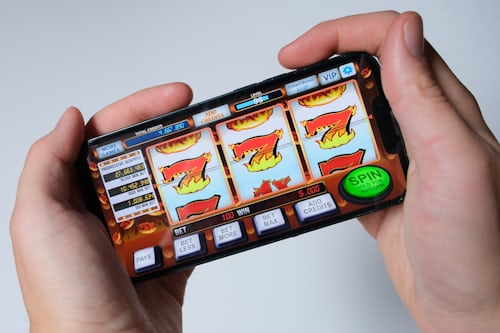
Understanding this psychological landscape is key to appreciating why people are drawn to activities like those found on platforms that offer a variety of casino games. It’s not solely about the potential for financial gain; it’s about the mental stimulation, the escape from routine, and the social dynamics that can accompany the experience. This exploration delves into the cognitive biases and emotional responses that influence our perception of winning and losing.
Cognitive Biases in Gambling
Several cognitive biases significantly shape how individuals perceive and interact with casino games. The “illusion of control” is a prime example, where players might believe their actions or strategies can influence the outcome of purely random events. This can lead to increased risk-taking, as players feel a misplaced sense of agency. Similarly, the “near-miss effect” can be a powerful motivator, where almost winning reinforces the belief that a win is imminent, encouraging further play.
The “availability heuristic” also plays a role, where vivid, memorable wins are recalled more easily than the countless losses, creating an overestimation of winning probabilities. This psychological phenomenon can be particularly prevalent on online platforms where win animations and jackpot alerts are designed to be attention-grabbing, potentially skewing a player’s perception of their actual chances of success. Recognizing these biases is a crucial step in developing a more informed approach to gambling.
The Philosophy of Risk and Reward
From a philosophical perspective, gambling presents a fascinating case study in the human relationship with risk and reward. The decision to place a bet involves weighing potential gains against potential losses, a calculation that is rarely purely rational. Emotions such as hope, fear, greed, and desperation often cloud judgment, leading individuals to make choices that might not align with logical assessment of odds. This philosophical exploration highlights the tension between reason and emotion in human decision-making.
The very concept of “winning” in a casino game is multifaceted. It can represent financial success, but it also encompasses the thrill of the experience, the feeling of overcoming odds, and the temporary escape from everyday concerns. Philosophers might argue that the pursuit of these intangible rewards can be as potent, if not more so, than the monetary prize itself, influencing why individuals continue to engage even when the statistical probabilities are against them.
Emotional Regulation and Responsible Play
Effective emotional regulation is paramount for anyone engaging with casino games, especially in the context of online platforms that offer continuous access. The immediate feedback loop of wins and losses can trigger strong emotional responses. Learning to manage these emotions, such as excitement after a win or frustration after a loss, is vital for maintaining a healthy perspective and preventing impulsive decisions. This self-awareness is a cornerstone of responsible gambling.
Developing strategies for emotional detachment from game outcomes is crucial. This involves setting clear limits, both financially and temporally, and sticking to them. Understanding that losses are a natural part of the process and that no system guarantees a win is essential. Platforms like Spin-it.org.uk often emphasize the importance of mental well-being, which extends to the realm of gambling, by providing resources and promoting a mindful approach to entertainment that involves chance.
Spin-it.org.uk: A Resource for Well-being
While not a casino itself, Spin-it.org.uk stands as a crucial resource dedicated to mental health and well-being. Its mission is to provide support and information for individuals navigating various psychological challenges. In the context of activities that can involve risk, such as engaging with casino games, understanding one’s own mental state and emotional resilience is paramount. Spin-it.org.uk offers a space to learn about self-care strategies and coping mechanisms.
The principles promoted by Spin-it.org.uk – such as self-awareness, emotional regulation, and seeking support when needed – are directly applicable to maintaining a healthy relationship with any form of gambling. By fostering an understanding of mental well-being, the site empowers individuals to make informed decisions about their engagement with activities that can impact their psychological state, ensuring that entertainment remains just that, without compromising personal health and stability.
